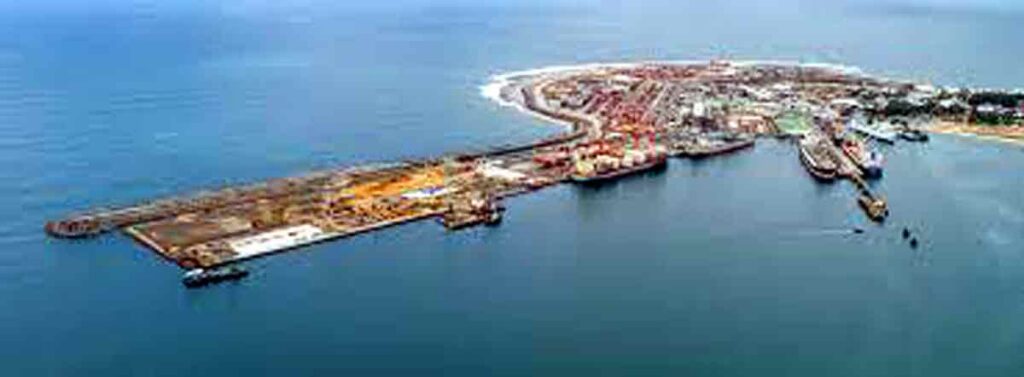
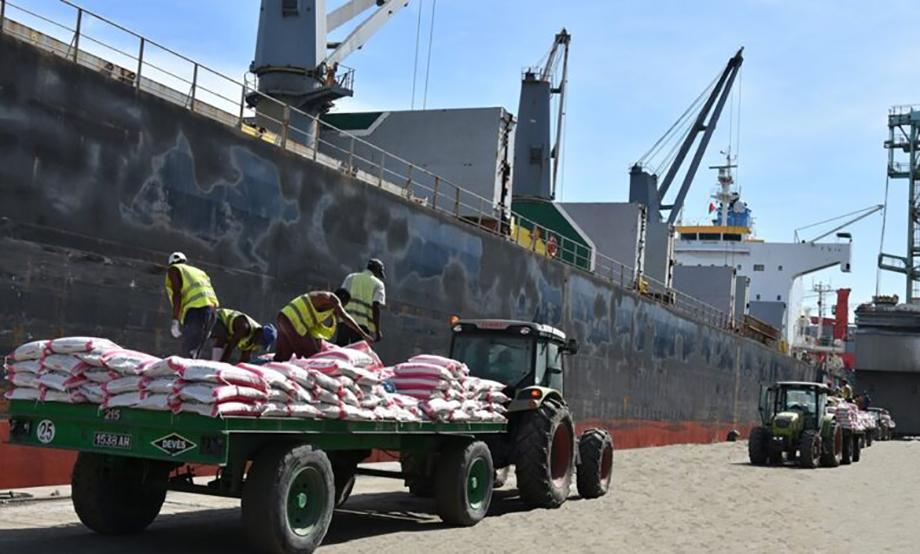
The re-taxation of imported rice aims to reduce dependence on imports and support local production, a measure aligned with the goal of food self-sufficiency.
The decision is final. The re-taxation of imported rice, as part of the Amending Finance Law and the Economic Recovery Plan, is now in effect. A 5% customs duty and a 20% VAT are now applied to imported rice. This measure has caused concern among consumers, with many fearing rising costs for basic staples.
However, the government emphasizes the necessity of this choice. Minister of Economy and Finance, Dr. Herinjatovo Aimé Ramiarison, stated that the path to economic sovereignty requires supporting local producers and increasing productivity. According to customs data, Madagascar imports approximately 800,000 tons of rice annually, a figure that highlights the country’s growing dependence on foreign supply despite significant local potential.
To ensure the success of this policy, the government has introduced accompanying measures, including tax exemptions on herbicides and fungicides, as well as tax relief for fertilizers and agricultural machinery. Furthermore, infrastructure projects such as the rehabilitation of irrigation networks and road development are underway to facilitate the distribution of local products.
The strategy appears to be yielding results, with national paddy production rising from 4,684,469 tons in 2025 to an estimated 5,172,000 tons this year. The Sofia region remains the country’s leading rice-producing hub. The government is now encouraging citizens to consume local rice to improve the trade balance and revitalize the rural economy.
Captured & Published at: 2026-07-23 06:08:33 (Madagascar Local Time EAT)
Original Source: https://www.lexpress.mg/2026/07/taxe-sur-le-riz-importe-un-coup-de.html