Madagascar aims to better leverage its fishery resources and strengthen the economic benefits of the fisheries agreement with the European Union.
The renewal of the fisheries agreement between Madagascar and the European Union represents a significant economic stake for the country. As the expiration date of June 30, 2027, approaches, upcoming negotiations will determine the conditions for access to Malagasy fishery resources and the impact on national activities. The goal is to better value marine resources while supporting jobs and income for coastal communities.
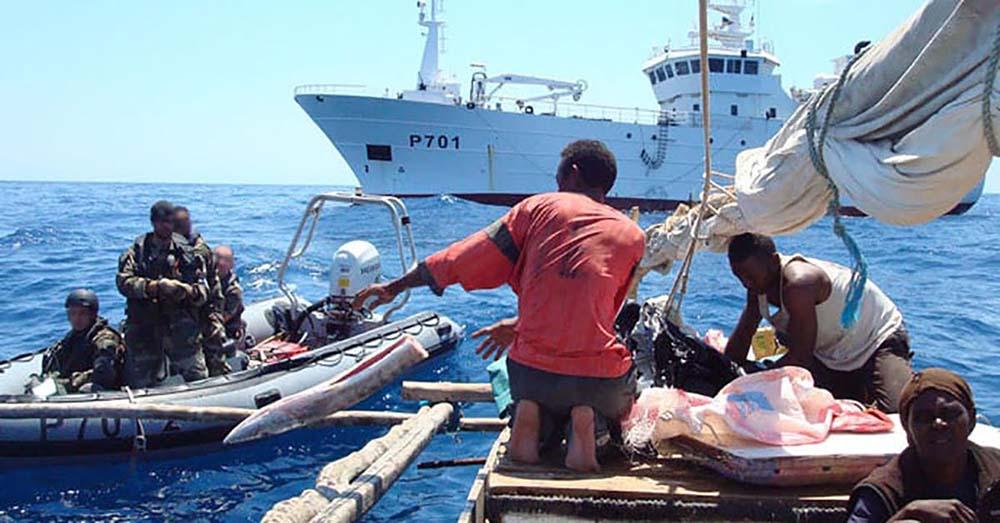
Resumed in July 2023 after several years of interruption, the agreement authorizes sixty-five European vessels to exploit resources in the Malagasy exclusive economic zone. The protocol provides for a reference tonnage of 14,000 tons per year. In return, the European Union pays an annual contribution of 1.8 million euros, including 700,000 euros for access rights and 1.1 million euros intended to support the national sustainable fisheries policy.
However, the fishing opportunities provided are not fully utilized. In its evaluation published on September 10, 2026, the European Commission indicated that the average utilization rate stood at 48% in 2024 and 2025. This underutilization is a point to be examined during future discussions.
The agreement also supports employment. According to the European Commission, it contributed an average of eighty-nine full-time equivalent jobs per year on board European vessels in 2024 and 2025. Among them, fourteen were held by Malagasy nationals, thirty-five by European Union nationals, and forty by people of other nationalities. Related activities, particularly the marketing and processing of catches, represent approximately three hundred and seventy-five full-time equivalent jobs. In Antsiranana, women occupy 54% of jobs in tuna canneries.
Beyond this agreement, artisanal fishing is an important activity for the national economy. According to the FAO, approximately 242,000 people were directly involved in this activity in 2022, spread across nearly 2,500 fishing villages. The reported production reached approximately 90,000 tons.
Women play an important role in this sector. They represented 57% of people engaged in post-harvest activities, such as processing and marketing, as well as 21% of people involved in fishing activities. These activities contribute to food supply, household income, and employment in coastal areas.
In its September 2026 evaluation, the European Commission recommends opening negotiations for a new agreement. Discussions should focus on the social conditions of embarked sailors, support for coastal communities, and the strengthening of control measures.
For Madagascar, the challenge is to better leverage its fishery resources and strengthen economic benefits for national stakeholders. Future negotiations will need to define financial contributions and support modalities for the sector.
As June 2027 approaches, the renewal of the agreement is an opportunity to better articulate the exploitation of marine resources, job creation, and the development of local fishing activities.
Captured & Published at: 2026-11-03 06:08:58 (Madagascar Local Time EAT)
Original Source: https://www.lexpress.mg/2026/11/commerce-le-nouvel-accord-de-peche.html