
Madagascar has scored 25 out of 100 in the 2025 Corruption Perceptions Index, ranking 148th out of 182 countries worldwide. From daily administrative procedures to the embezzlement of public funds, the fight against this scourge raises three major questions: how does this system function, what sanctions are in place, and above all, how can real progress be measured for the population?
For many citizens, corruption first manifests in small, seemingly ordinary gestures. Whether it is a delayed birth certificate or the temptation to offer a bribe to speed up a process, these acts reflect deep structural governance issues. Transparency International’s 2025 index highlights these persistent challenges, which citizens like Todisoa Rasoamanantena and Aina Rakotomalala describe as a deeply ingrained cultural problem that hinders national development.
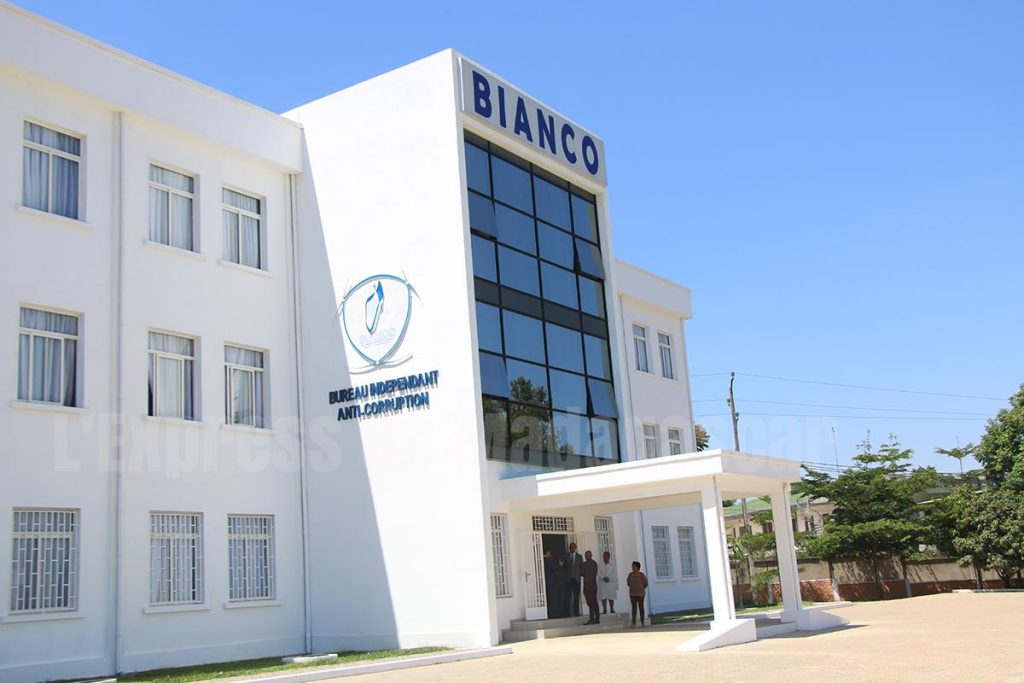
Madagascar’s legal framework, notably Law No. 2016-020, defines both passive and active corruption. Specialized institutions such as the Independent Anti-Corruption Bureau (BIANCO), the Anti-Corruption Poles (PAC), and the Financial Intelligence Service (SAMIFIN) are tasked with investigation, prosecution, and financial oversight. However, the effectiveness of these bodies is measured not by the number of investigations, but by judicial outcomes that apply equally to all, regardless of rank.
To make change tangible, the government must prioritize transparency in public services, such as clearly displaying official fees and legal deadlines, simplifying procedures, and ensuring the protection of whistleblowers. Ultimately, real change for the citizen occurs when public services are delivered fairly to everyone, without hidden transactions or favoritism.
Captured & Published at: 2026-10-23 05:53:47 (Madagascar Local Time EAT)
Original Source: https://www.lexpress.mg/2026/10/corruption-quand-le-changement.html