
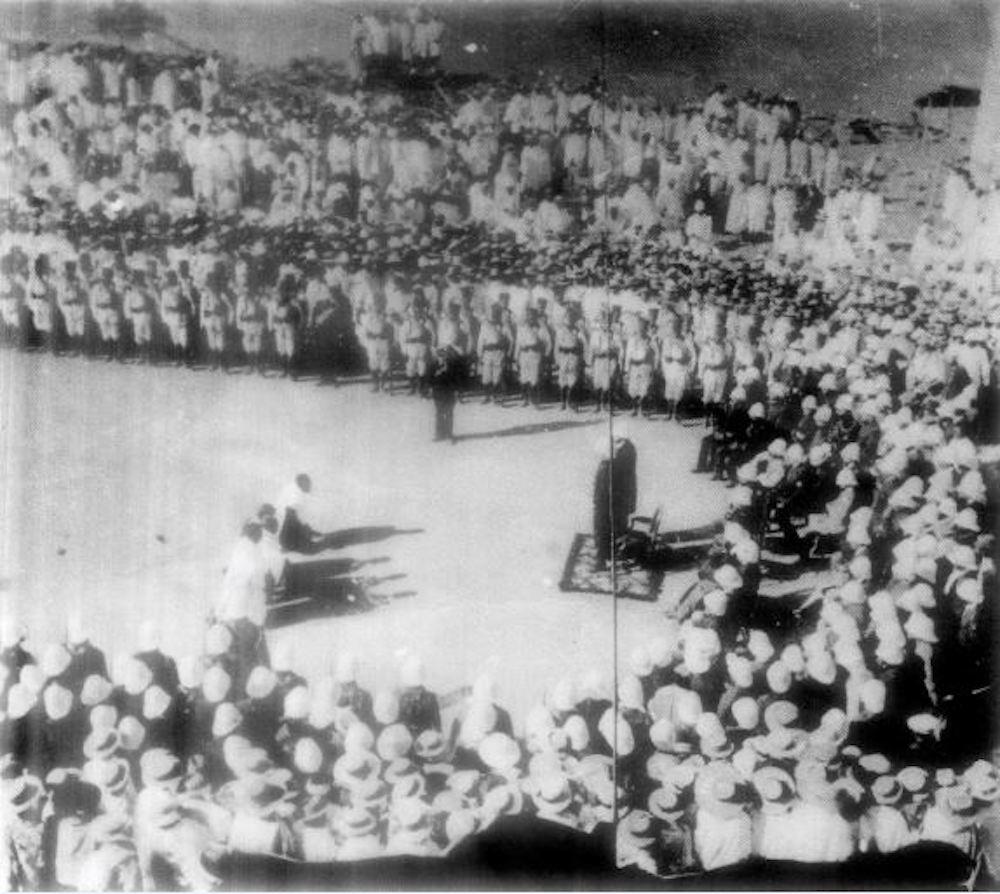
The nine-year period of colonial military government in Madagascar concluded with a mixed legacy. Significant transformations occurred shortly after the conquest, including territorial unification, administrative centralization, the launch of medical and educational initiatives, and the establishment of a vital communication network. These achievements underscore the profound impact of General Joseph Simon Gallieni, whose work remained unmatched by his successors.
However, the colonial economy primarily benefited the settlers. Despite the abolition of slavery in 1896, an egalitarian political regime was never established. Instead, the introduction of forced labor systems and the ‘indigénat’ code institutionalized social inequality. Gallieni, a man of his time, dismantled traditional Malagasy structures to build a new order, leaving a territory deeply marked by his actions.
Under the ‘Colonial Pact’ doctrine, Gallieni prioritized French interests, effectively turning Madagascar into a captive market for the metropole. By 1905, French companies and banks dominated the business landscape, and this economic orientation persisted for half a century. While Gallieni demonstrated administrative pragmatism—often employing indirect rule to reduce costs and utilizing the Imerina region as a source for local civil servants—the fundamental tension between the colonizers and the colonized remained. The development of infrastructure and social services, such as medical assistance and provincial schools, was overshadowed by the oppressive nature of the colonial system, which relegated the Malagasy people to a position of economic and social inferiority.
Captured & Published at: 2026-08-21 05:39:31 (Madagascar Local Time EAT)
Original Source: https://www.lexpress.mg/2026/08/madagascar-devenu-un-grand.html