
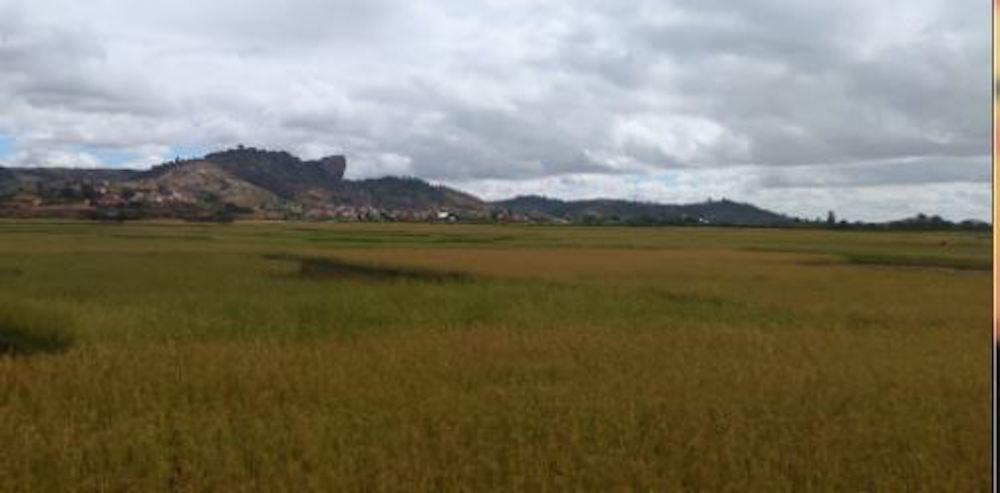
A political opportunity arose for the sixty pre-Manisotra to secure their total liberation. A rebel lord, described as a ‘strong-headed’ figure by King Andriamasinavalona and known as Prince Mavoloha, had been defying royal authority from his fortress of Analamasina. The King then sealed an extraordinary pact with the sixty freedmen: ‘If you manage to drive out this rebel and take Analamasina, this hill will be yours.’
This royal promise carried a highly subversive dimension for the established spatial order. According to sociologist Lanto Rasida, offering the hill to former house slaves represented a promise of definitive emancipation, consolidated by land ownership. Furthermore, it granted them a superior social status by assigning them a geographical space traditionally reserved for the aristocracy. ‘Living on the summit meant subverting the hierarchy and rising to the rank of lords.’
Executing the mission by night, the men infiltrated the stronghold. After securing the dwellings and neutralizing the garrison, they took full control of Analamasina. Impressed by this tactical success, King Andriamasinavalona named them ‘Manisotra’—those who uprooted the rebels—and confirmed their exclusive possession of the hill. The Manisotra transformed their fortress into a sanctuary, welcoming outcasts, fugitives, and runaway slaves, allowing their population to grow exponentially.
However, the subsequent history of the Manisotra confirms the fragility of statuses conquered in ancient Imerina. Seventy-seven years later, their destiny shifted during the second hill war. Despite fierce resistance, they were eventually defeated by King Andrianampoinimerina (1787-1810), who used a strategy of destroying their ripe rice fields to force their surrender. This defeat marked the beginning of a profound decline in their status.
Following their submission, Andrianampoinimerina reorganized the structure, expelling the Manisotra from Ambohijoky to install his own troops, the ‘Voromahery’. The Manisotra were relocated to the plains of Alasora and forcibly integrated into the ‘Mainty enin-dreny’ category. Through this administrative measure, they permanently lost their exclusive warrior function and their privileged proximity to the sovereign.
This political and spatial dispossession initiated a lasting social shift. Over generations, the descendants of these once-free groups were conflated with the descendants of former slaves in collective memory. Even today, dominant groups continue to apply persistent moral and physical stereotypes to the descendants of the ‘Mainty’, instrumentalizing this historical confusion to maintain their ideological supremacy.
Captured & Published at: 2026-09-30 05:38:34 (Madagascar Local Time EAT)
Original Source: https://www.lexpress.mg/2026/09/une-promesse-royale-hautement.html