Madagascar is seeking to mobilize funds to develop its livestock sector. More than 1.7 trillion ariary is needed to restructure the industry.
Long neglected, the livestock sector suffers from chronic underinvestment. The cards must be reshuffled to ensure the growth of this sector, which accounts for 13% of the national GDP. Yesterday, during high-level panels held at the Carlton Anosy, discussions focused on its financial needs and the optimal allocation of resources. According to estimates from the supervising ministry, more than 1.7 trillion ariary (over 400 million dollars) is required to trigger a real takeoff.
These resources would help finance the various branches that make up the sector in the country and generate massive employment. According to UNICEF’s macro-budgetary analyses on agriculture, livestock, and fisheries (AEP), the livestock sector has only captured 5.7% of the public agricultural budget. This level is well below the 10% sectoral investment recommended continentally by the Maputo Declaration. Furthermore, the sector depends 78% on external donors.
Following the finalization of the Livestock Master Plan, discussions are now shifting toward mobilizing partners and the required capital.
“This plan will optimize promising sectors. We urgently need more funds to develop this activity. The tasks are vast, even just for the bovine, ovine, or caprine sectors,” explained Riana Nantenaina Randrianomenjanahary, Minister of Livestock, to the press.
Producers face numerous structural obstacles: limited access to veterinary care, low yields, insufficient quality of animal feed, and high dependence on imported inputs (notably corn for poultry farming).
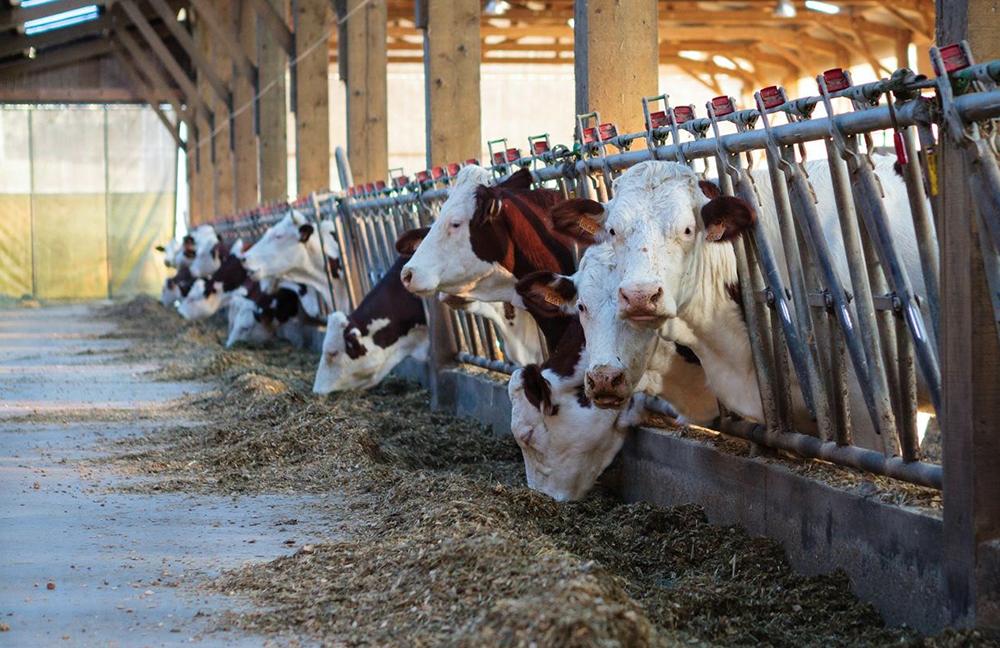
The cattle industry, in particular, has struggled to organize itself for several decades. Local breeds lack stable performance in milk and meat production to meet local demand. Genetic improvement remains limited, poorly regulated, and difficult for smallholders to access. The absence of large-scale artificial insemination hinders the spread of improved specimens. Moreover, the availability and quality of animal feed constitute a major obstacle, even though the country could turn this into a real economic lever. The World Bank, the FAO, and the International Livestock Research Institute are positioning themselves as key partners to attract strategic investments.
Targeted funding aims to boost overall productivity. The Master Plan aims to increase red meat production by 17%, white meat production by 75%, and raise milk production from the current 15% to 52%. It also plans for a 22% to 34% increase in income from small ruminant farming, as well as a reduction in animal mortality through the strengthening of veterinary services.
Captured & Published at: 2026-10-02 06:25:49 (Madagascar Local Time EAT)
Original Source: https://www.lexpress.mg/2026/10/fonds-sectoriels-le-secteur-de-lelevage.html