
A more diversified diet, regular growth monitoring, and exclusive breastfeeding for up to six months. In the areas where Catholic Relief Services operates in Madagascar, these practices have evolved over the past decade. Evaluations conducted between 2015 and 2025 indicate an improvement in several nutritional indicators. Among pregnant and breastfeeding women, diets have become more diversified, while underweight rates have declined. Exclusive breastfeeding for infants up to six months has also increased.
For children under five, rates of underweight and stunted growth have decreased. More children aged 6 to 23 months are now receiving a minimum acceptable complementary diet. These developments are largely due to local support. Community health workers visit families to raise awareness about good nutritional practices, hygiene, and health.
Mothers of children suffering from moderate acute malnutrition can also participate in ten-to-twelve-day sessions. There, they learn how to prepare complementary meals using local products and improve hygiene practices. Finally, the community participates in monitoring children’s growth and identifying the causes of malnutrition to tailor actions to local needs.
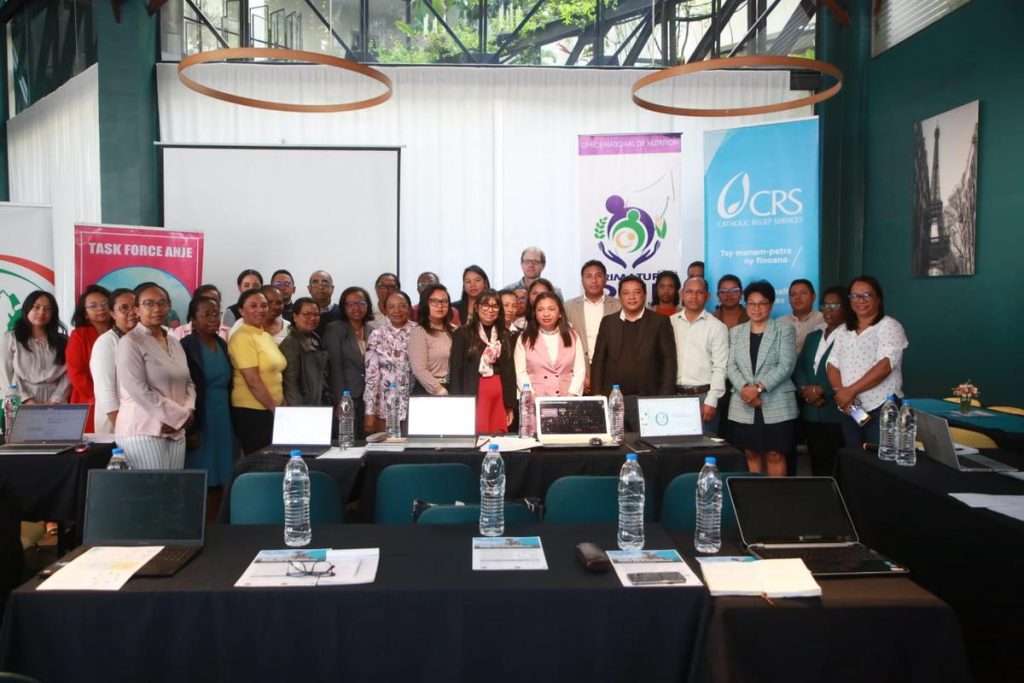
Presented on Wednesday at the Hôtel Louvre, these results show that the fight against malnutrition also takes place within the daily habits of families.
Captured & Published at: 2026-08-27 06:09:16 (Madagascar Local Time EAT)
Original Source: https://www.lexpress.mg/2026/08/alimentation-les-communautes-combattent.html