
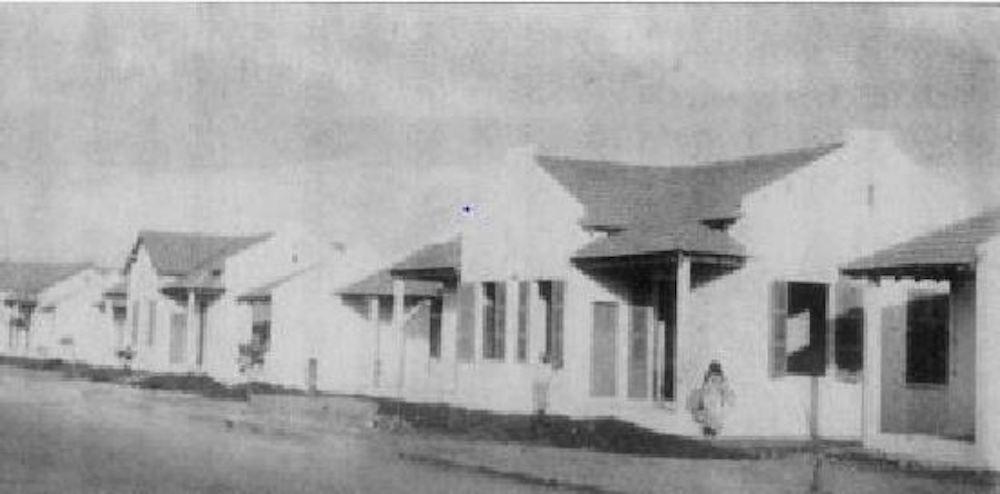
In the 1930s, colonial efforts to beautify Antananarivo, such as parks and lakes, masked poor sanitary conditions. A 1936 survey revealed that 75% of homes lacked basic comfort, and 22% were uninhabitable slums.
Faced with the plague, health authorities implemented strict disinfection protocols. This involved a two-phase process: initial chemical disinfection using cresyl and chloropicrin, followed by the incineration of contaminated bedding and furniture, and the extermination of rats. In many cases, especially in the Imerina region, authorities deemed it more effective to simply burn down houses or entire villages.
These measures were often criticized for being discriminatory. Historian Faranirina V. Esoavelomandroso notes that journalist Jean Ralaimongo denounced the practice where homes belonging to Malagasy people were systematically burned, while those owned by Europeans were often spared under the guise of being “cleaner.”
The incineration of villages, such as Anketrina and Anjanamiaro, was justified by medical services as a sanitary necessity. However, many Malagasy people interpreted these actions as a display of colonial power, leading to deep resentment and local resistance against the authorities.
Captured & Published at: 2026-07-14 06:42:18 (Madagascar Local Time EAT)
Original Source: https://www.lexpress.mg/2026/07/stopper-lextension-de-la-peste-par-le.html