
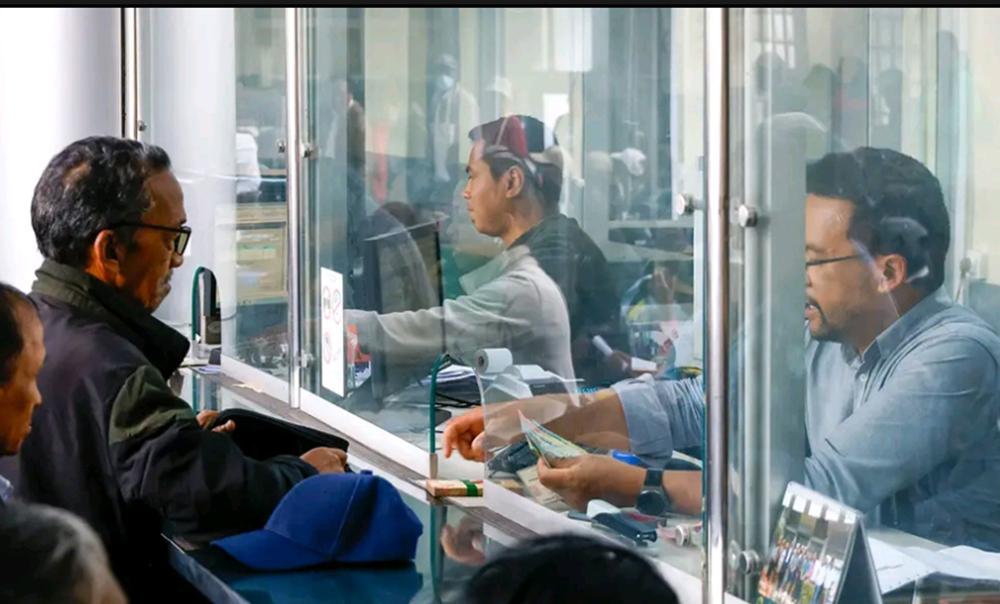
After years of work, the transition to retirement disrupts daily life. For some, the end of professional activity means the cessation of a well-established rhythm. For others, it marks the beginning of new financial difficulties, especially when the pension is no longer sufficient to cover current expenses.
“Since I retired, I have felt many changes in my life. My daily rhythm has stopped, and I realize more that I am getting older,” says one retiree. After years of working, the days become quieter. This break can be difficult to experience, especially when professional habits occupied a large part of daily life.
For Mrs. Voahangy, also a retiree, the financial issue has imposed a new organization. “We had to look for another activity. Today, we are engaged in trade because the money we receive is not enough to cover our needs,” she explains. Like her, some retirees continue to work, not just to stay busy, but primarily to supplement their income.
With a limited pension, essential expenses become priorities. Food, housing, transport, health, or support for children and grandchildren can quickly weigh on the budget. Small businesses, independent activities, or occasional services thus become ways to maintain a certain balance.
Retirement does not necessarily mean the end of all activity. It mainly imposes a new organization of daily life. For everyone, it is necessary to learn to cope with a new rhythm, new priorities, and, sometimes, more limited income.
Captured & Published at: 2026-08-24 06:09:07 (Madagascar Local Time EAT)
Original Source: https://www.lexpress.mg/2026/08/reconversion-les-retraites-affrontent.html