
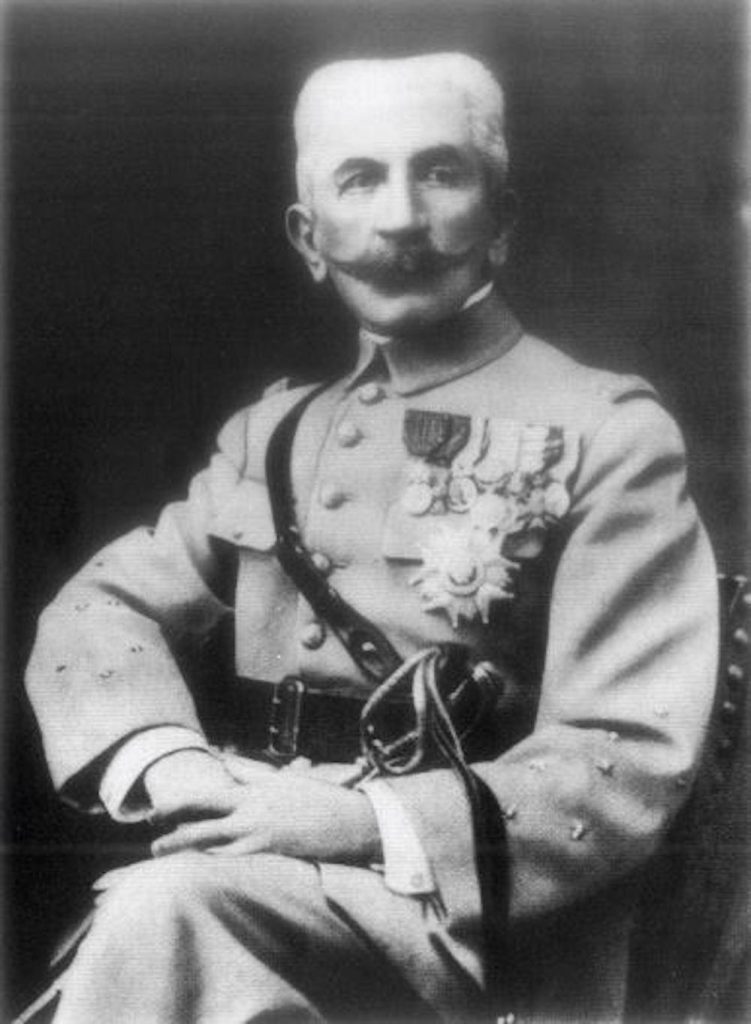
During the first ten years of colonization (1896-1905) under the military government led by General Joseph Simon Gallieni, life in Madagascar was reorganized as settlers arrived with the support of the new administration, facilitated by the lack of land registries under the previous monarchy. Numerous small concessions were granted to individuals from Réunion or France.
However, the Governor-General soon realized that the Great Island was not destined to become a settler colony, so he focused on attracting capital rather than settlers. Large French companies were favored, receiving vast concessions for plantations, forests, and mines, where Malagasy people were recruited to work. Yet, the labor force remained unstable, and difficulties in maintaining it emerged.
The construction of roads, initiated by the military engineers, continued, requiring local populations to provide labor, often without pay, which led to the neglect of their own crops. The central axis connecting Antananarivo to Fianarantsoa was nearing completion by 1905, but according to Lieutenant-Colonel Hubert Lyautey, this was only achieved through “superhuman efforts imposed on local populations.”
The railway between Antananarivo and Toamasina began in 1900, and by 1905, the Moramanga-Brickaville section was nearly finished. The recruitment of labor remained a major challenge for engineers. Meanwhile, the creation of a telegraph network connecting Antananarivo to coastal centers strengthened administrative centralization.
Despite these developments, the colonial economy suffered from a lack of capital, and results fell short of General Gallieni’s expectations. Exports were primarily raw materials from gathering or mining. The colonial economy focused exclusively on primary sectors, while many large concessions remained unexploited. The rising cost of living, particularly in cities, placed a heavy tax burden on the Malagasy people.
Although the abolition of slavery was decreed on September 26, 1896, it was not followed by an egalitarian political regime. Instead, the introduction of forced labor and the “indigénat” system created a new social structure based on inequality. As Colonel Hubert Lyautey noted in 1898, the abolition of the previous system of “patronage” led to an agricultural crisis, as the newly freed slaves were left without resources, and the colonial administration struggled to maintain control over a population that had gained a sense of independence.
Captured & Published at: 2026-08-20 05:39:20 (Madagascar Local Time EAT)
Original Source: https://www.lexpress.mg/2026/08/une-nouvelle-forme-desclavage-apparait.html