
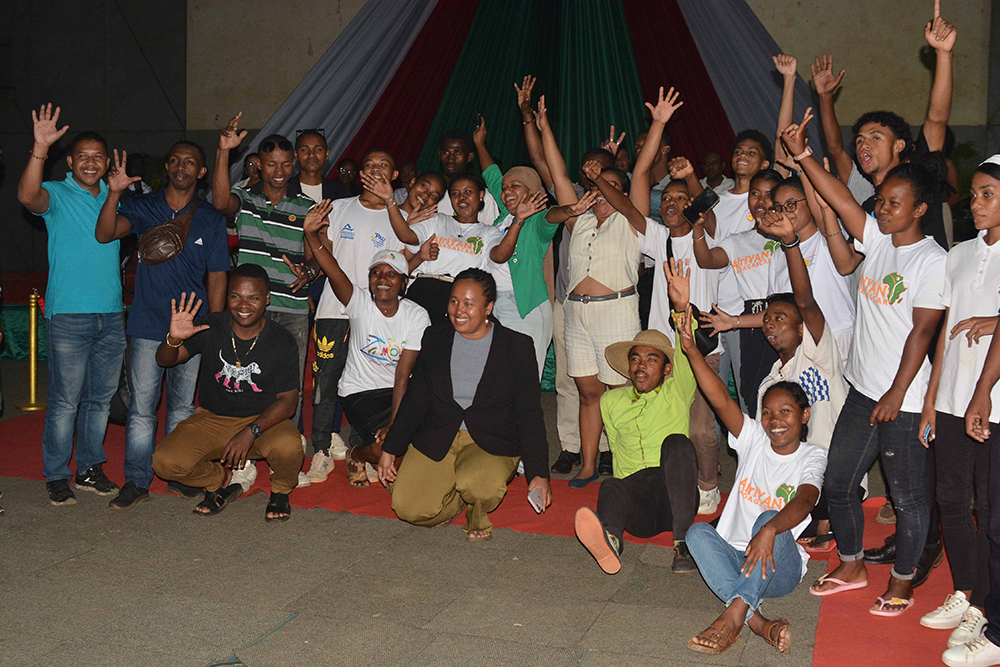
Gathered for a regional consultation in the north of the country, youth from Antsiranana have expressed their frustration with a system they deem overly centralized, demanding an effective transfer of decision-making power to territorial collectivities.
During the regional youth consultation in the Diana region, organized last weekend, the Antsiranana youth called for an effective transfer of decision-making power, competencies, and financial resources to local government bodies. They argued that development decisions should be made closer to local realities rather than being dictated solely from the capital.
Spanning two days, the debates covered a range of issues—from demands for genuine regional authority and the protection of Malagasy culture to the electricity crisis and the sharing of tourism revenues—all highlighting a deep dissatisfaction with the current hyper-centralized system.
The voices of young people were clearly heard during this northern regional meeting. Facing local development challenges, they advocated for effective decentralization that goes beyond mere statements of principle. They insisted that territories should no longer just execute decisions made at the central level, but instead become true architects of their own development.
At the heart of their demands, the youth emphasized that regions are best placed to understand their own priorities, urgent needs, and potential. In the North, issues concerning employment, training, infrastructure, agriculture, tourism, environment, and entrepreneurship require context-specific solutions. Such effectiveness, they argue, is only possible if regional authorities possess sufficient decision-making autonomy.
Discussions also touched upon language in schools, the decline of language standards in public spaces, shifting dress codes, and the growing influence of Western models. Some participants denounced the introduction of practices perceived as contrary to Malagasy values, such as same-sex marriage. “Only our own culture can help us progress,” stressed spokesperson Tom, who also raised alarms about the concerning situation of out-of-school girls, some of whom are forced into prostitution at an early age.
The school curriculum also sparked heated debate. Some young people feel marginalized in the development of educational content, which they believe is too focused on the history of the capital. They are calling for greater recognition of historical figures, writers, monarchs, and personalities specific to each territory.
On an institutional level, several participants defended the idea of a federal constitution as a potential solution to the country’s gridlock. Others expressed reservations, suggesting the concept of federalism remains poorly understood and could lead to unforeseen risks.
Another significant proposal emerged: replacing the parliamentary system with a presidential one to address political instability and the frequent flip-flopping of elected officials. Some even argued for streamlining the political landscape into two major blocs—left and right—without undermining the principle of the separation of powers.
Regarding the environment and tourism, the youth insisted on the necessity of retaining locally generated revenues, particularly in Nosy Be and throughout the region. They argued that these resources should no longer be systematically centralized in the capital but should instead directly serve regional development.
Captured & Published at: 2026-06-24 06:30:36 (Madagascar Local Time EAT)
Original Source: https://www.lexpress.mg/2026/06/concertation-nationale-les-jeunes.html