
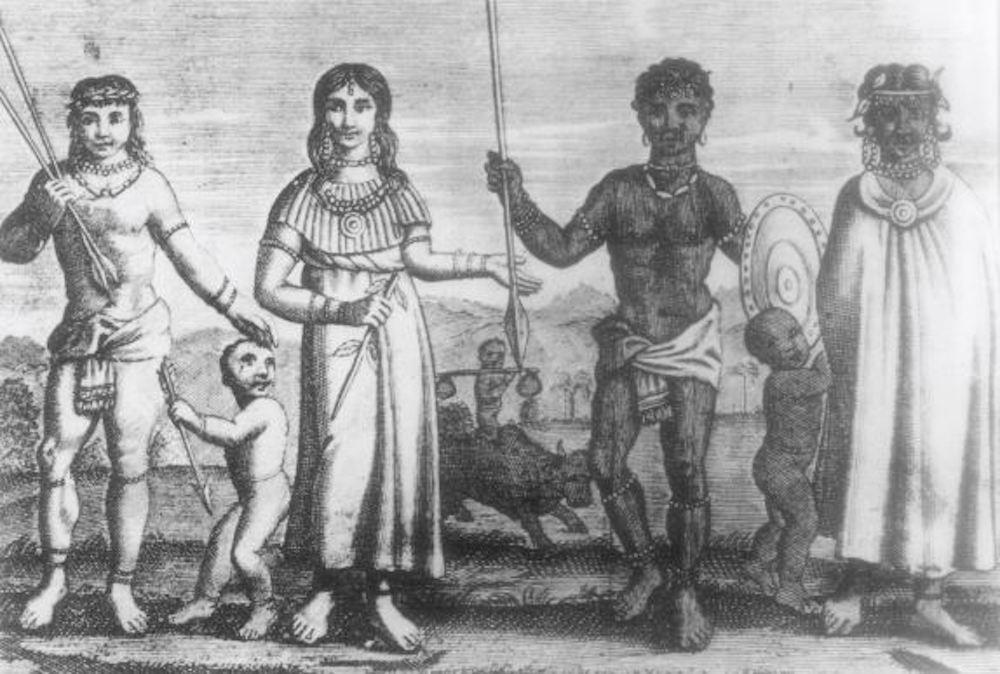
Following the decree of September 26, 1896, on the abolition of slavery by Resident General Hippolyte Laroche, several prominent figures, such as Prince Ramahatra, Governor General of the Ambatomanga Military Circle, and Prime Minister Rasanjy, expressed their views. In his speech on October 2, Prince Ramahatra did not hide his contempt for the joy of the newly emancipated Andevo. However, researchers Bakoly and Jean-Pierre Domenichini suggest that Ramahatra, who was accused of plotting against France, may have intentionally exaggerated his stance to incite insurrection.
Regarding Prime Minister Rasanjy, he highlighted in a circular dated November 2 that the abolition of slavery could lead to public disorder, fueled by rumors that former masters were driving away freed slaves who wished to remain with them. The Domenichinis note that there is no legislative evidence that these rumors had any real effect, suggesting instead that some freed slaves spread these stories to frighten those who remained attached to their former owners.
The study further highlights that the abolition decree served public order, while the colonial administration under General Joseph Simon Gallieni began implementing a “new form of slavery” through forced labor regulations. The researchers conclude that the economic function of slavery under the Merina monarchy remains a complex and largely unresolved historical question, as the available legislative texts do not fully clarify its role in the economic life of the society.
Captured & Published at: 2026-08-19 05:38:44 (Madagascar Local Time EAT)
Original Source: https://www.lexpress.mg/2026/08/lattitude-de-certains-esclaves-liberes.html